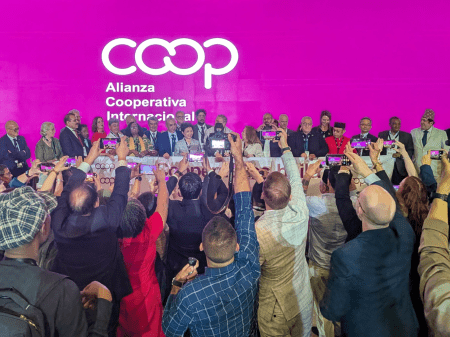
As part of the ICA 2026 Global Conference and General Assemblies in Panama, cooperators gathered for breakout workshops exploring the three elements of the ICA 2026–2030 Strategy: Practice, Promote, Protect.
Cooperation takes many forms across countries and cultures, but the movement is underpinned by cooperative values and principles that make cooperative business different from traditional enterprises. The Protect breakout session explored what this means in reality, from cooperative identity and national legislation to member practice, education and democratic culture
This session took the form of a Cooperative Identity Lab – a participant-led multilogue designed as “a space for conversation, curiosity and collective inquiry into what it means to protect cooperative identity in a changing world”.
Attendees discussed how legislation, education, cooperation among cooperatives, culture, democratic participation, technology and the everyday practice of membership are all important to ensuring cooperative identity remains meaningful and visible.
Nearly 30 people from different parts of the world were invited to reflect on questions organised around six interconnected themes, including the use and protection of the cooperative name and the meaning of genuine membership; taxation, capital and accounting standards; cooperation among cooperatives; cooperative education and culture; digitalisation and democratic participation; and the opportunities and challenges presented by new technologies.
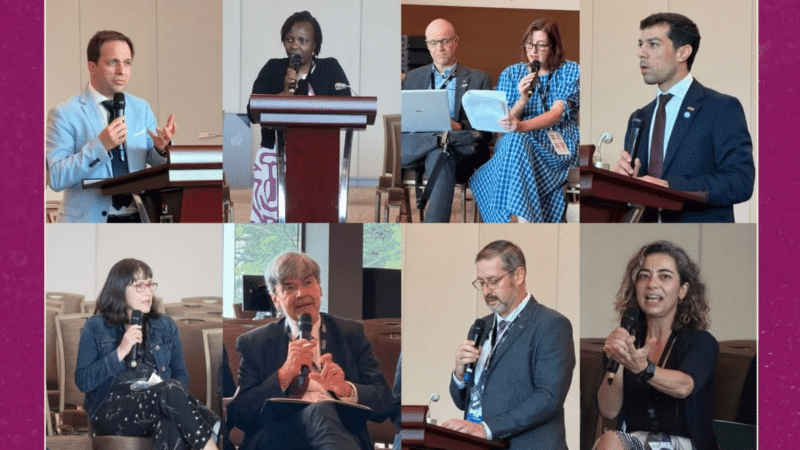
Instead of formal presentations, speakers were invited to deliver shorter interventions, exchanges across tables and conversations between people bringing different professional, geographical and institutional experiences to create a setting for meaningful discussion, disagreement, curiosity and exchange.
Delegates agreed that protecting cooperative identity doesn’t just mean holding on to the Statement on the Cooperative Identity, but rather it is protected when identity is understood, practised, taught, communicated and carried into new institutions and new generations. The Lab also sought to contribute to a longer-term intellectual and legal undertaking, developing the foundations for an international commentary or authoritative comparative analysis of cooperative law and cooperative identity.
An essential source for this work will be the National Legal Framework Analysis, supported through the ICA–EU partnership, which examines how national legal systems recognise, enable and safeguard the distinctive characteristics of cooperative enterprise.
The keynote address was delivered by Ambassador Dr David Fernández Puyana, Permanent Observer of the University for Peace to the United Nations Office and other international organisations in Geneva and an important contributor to the international process surrounding the 2016 United Nations Declaration on the Right to Peace, who situated the cooperative identity within a wider reflection on peace: how democratic economic institutions, participation, solidarity and cooperation can contribute to peaceful relations within and between communities.
Across the session, voices from different regions, sectors and traditions offered sometimes converging and sometimes distinct perspectives on what cooperative identity means and what is required to safeguard it. The enduring lesson emerging from the Cooperative Identity Lab was that the cooperative identity is, in many ways, the sum of our shared and diverse experiences of cooperation – and protecting it requires building bridges between those experiences.
These breakout sessions were organised under the ICA-EU Partnership (2024-2028), also known as #coops4dev🌍, a five-year international cooperative development programme that aims to strengthen the ICA network and position cooperatives as key development actors within the European Union Development Agenda.
Read more about the PRACTICE breakout session